

The traditional Gobar Gas plant has come a long way. What was once a simple brick-and-mortar pit in a backyard has evolved into a sophisticated industrial biogas plant capable of powering factories and upgrading gas to Bio-CNG.
Whether you are treating dairy manure, food waste, or industrial effluent, the efficiency of your system depends on the quality of its individual components. At Vrinda Industries, we manufacture the high-performance “muscles” and “heart” of these systems. Here are the 7 essential components every modern plant needs.
1. The Feeding System (Inlet)
The process begins with the reception of raw organic matter. In a professional manure management system, the feeding system must handle thick, often straw-heavy material.
Component: Screw Feeder Pump or Hopper.
Why it matters: It ensures a consistent, airtight transfer of waste into the digester without letting oxygen in.

2. The Anaerobic Digester (The Tank)
This is the “stomach” of the plant where the bacteria live. Modern tanks are typically made of reinforced concrete or glass-fused-to-steel.
-
Component: Digester Tank and Heating Coils.
-
Why it matters: It must be 100% gastight and insulated to maintain the “Mesophilic” temperature (35–40°C) required for bacteria to thrive.
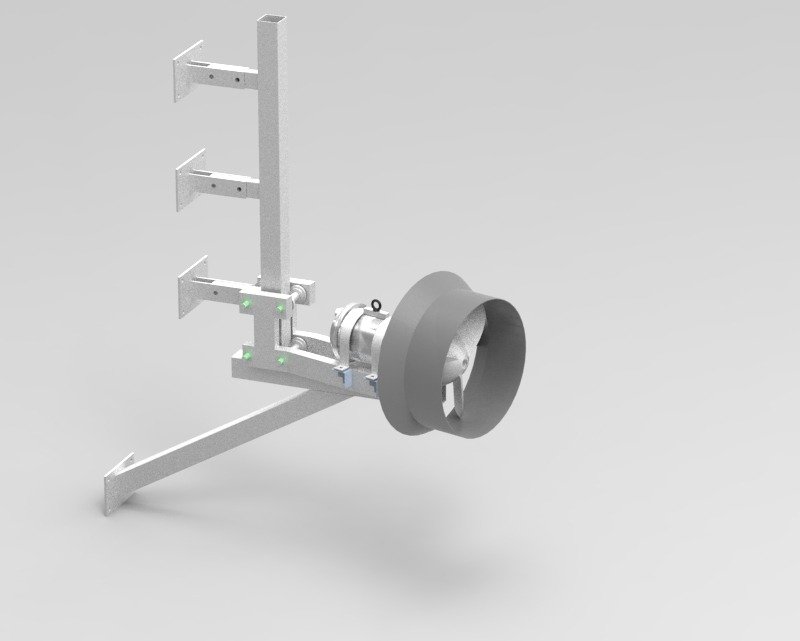
3. Agitators and Mixers (The Muscles)
Without movement, your Gobar gas plant will fail due to “crust formation” and “sedimentation.”
Component: Submersible Agitators or High Flow Mixers.
Why it matters: Proper mixing ensures the bacteria are always in contact with fresh “food” (feedstock) and prevents gas bubbles from getting trapped.
4. Gas Storage (The Holder)
Once the gas is produced, it needs a place to stay before it is used.
-
Component: Double Membrane Gas Holder.
-
Why it matters: These flexible “balloons” sit on top of the digester, expanding and contracting to store gas safely while protecting it from the weather.
5. Gas Cleaning System (The Filter)
Raw biogas contains Hydrogen Sulfide (H2S) which is corrosive and dangerous.
Component: H2S Scrubber.
Why it matters: Cleaning the gas is mandatory if you want to protect your safety valves and your engine from acid damage.
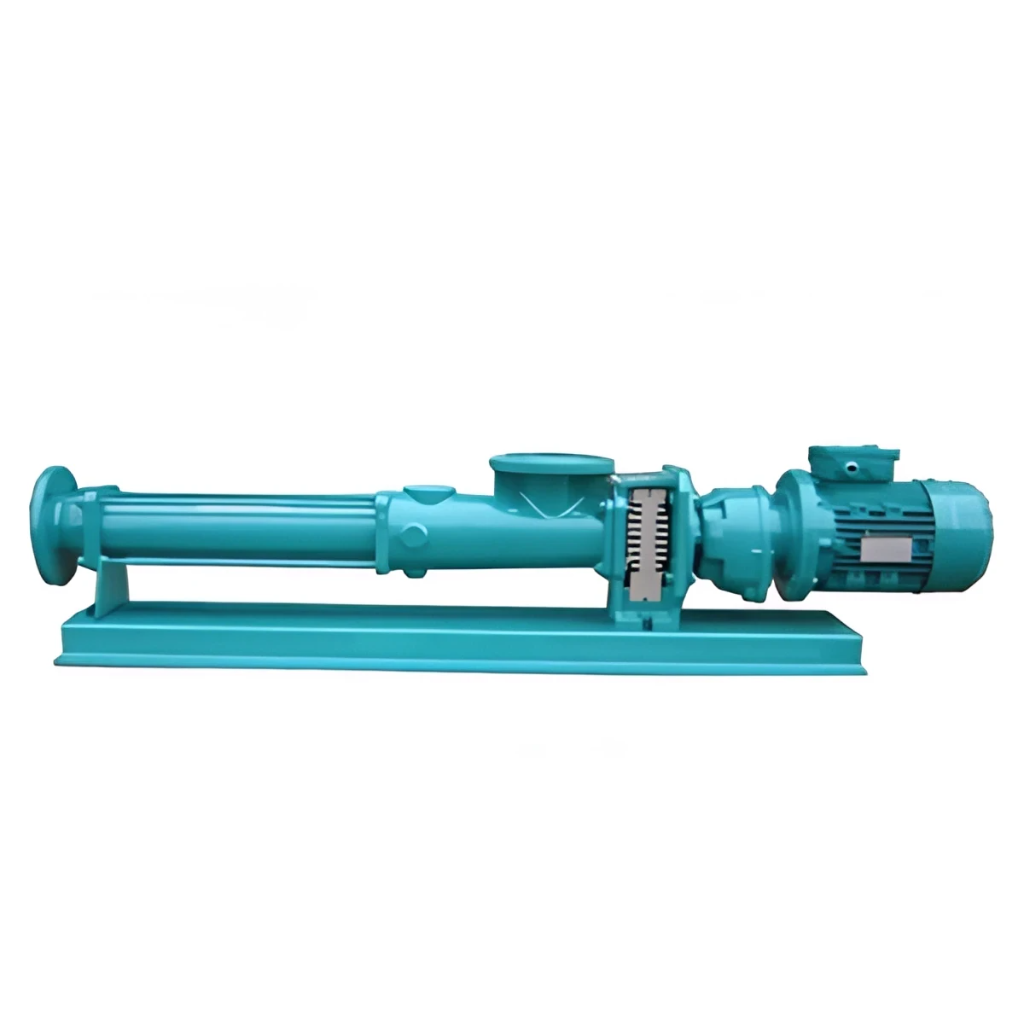
6. Discharge and Pumping System (The Outlet)
After the bacteria have eaten the organic matter, the remaining liquid (digestate) must be removed.
Component: Roto Screw Pump.
Why it matters: These pumps pull the thick, processed slurry out of the tank to make room for new feedstock.
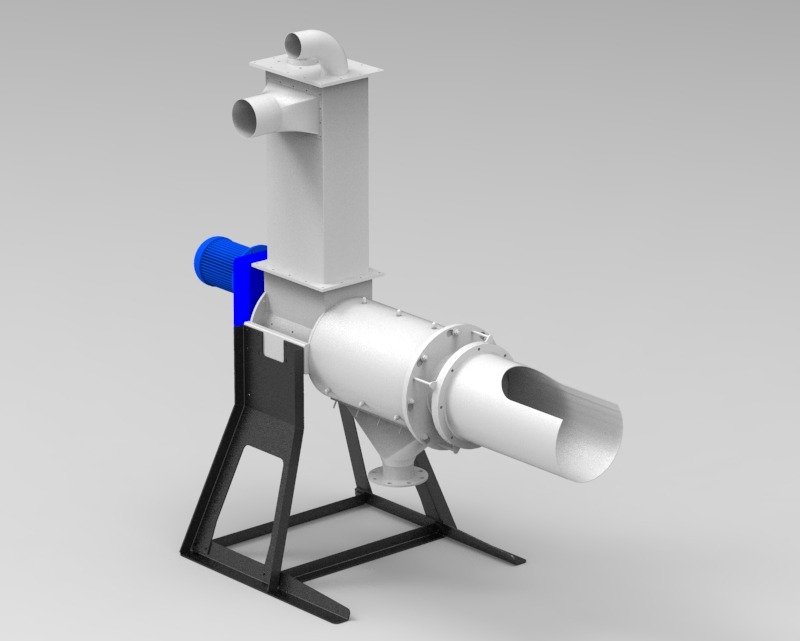
7. Digestate Processing (The Revenue Component)
Modern plants don’t just throw away the waste; they turn it into gold.
Component: Solids-Liquid Separator.
Why it matters: By separating the solids from the liquid, you create a dry, stackable organic fertilizer that is a major economic benefit of the project.
Gobar Gas Plant vs. Industrial Biogas: A Component Comparison
| Component | Traditional Gobar Gas | Modern Industrial Biogas |
| Feeding | Manual / Gravity | Roto Screw Pump |
| Mixing | None (Static) | Submersible Agitators |
| Gas Storage | Fixed Dome (Brick) | Double Membrane (Flexible) |
| Fertilizer | Liquid Slurry | Separated Bio-Fertilizer |
| Scale | 2-10 $m^3/day$ | 100-50,000+ $m^3/day$ |
Conclusion: Quality Components Build Reliable Energy
A Gobar gas plant is only as reliable as its weakest link. By selecting high-quality Biogas Plant Components from an international exporter like Vrinda Industries, you ensure your project delivers a high ROI and operates safely for decades.