For any business—be it a large-scale dairy farm or an industrial distillery—the primary question before breaking ground is: “What is the total investment, and when will I see a return?”
The Biogas Plant Cost is not a single number; it is a combination of Capital Expenditure (CAPEX) and Operating Expenditure (OPEX). At Vrinda Industries, we specialize in providing high-performance biogas plant components that minimize long-term costs by maximizing efficiency.
1. Capital Expenditure (CAPEX): The Initial Investment
The upfront cost of a biogas project is typically divided into three main areas:
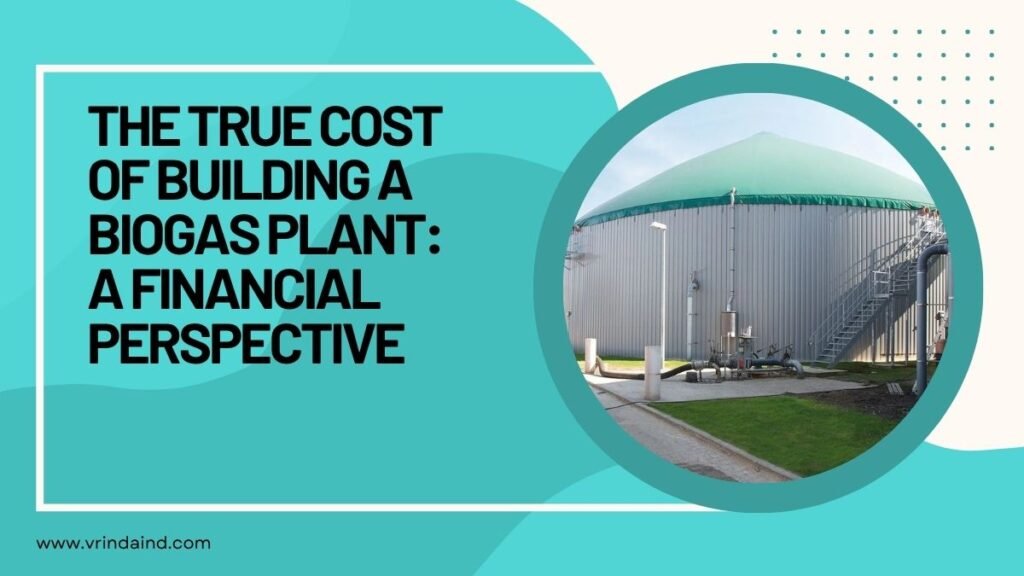
- Civil Works (30-40%): This includes land preparation, the construction of the anaerobic digester tanks, and reception pits.
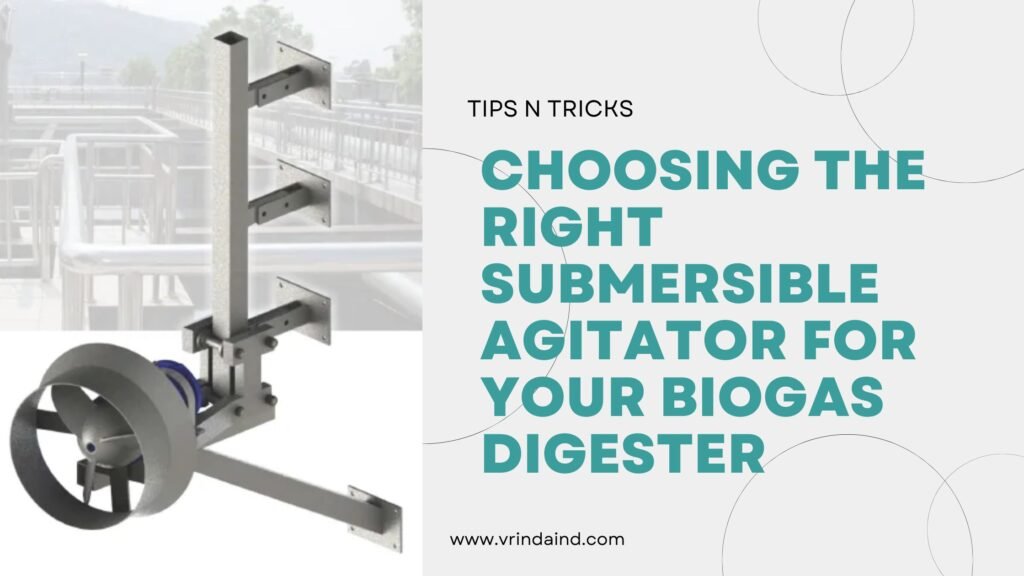
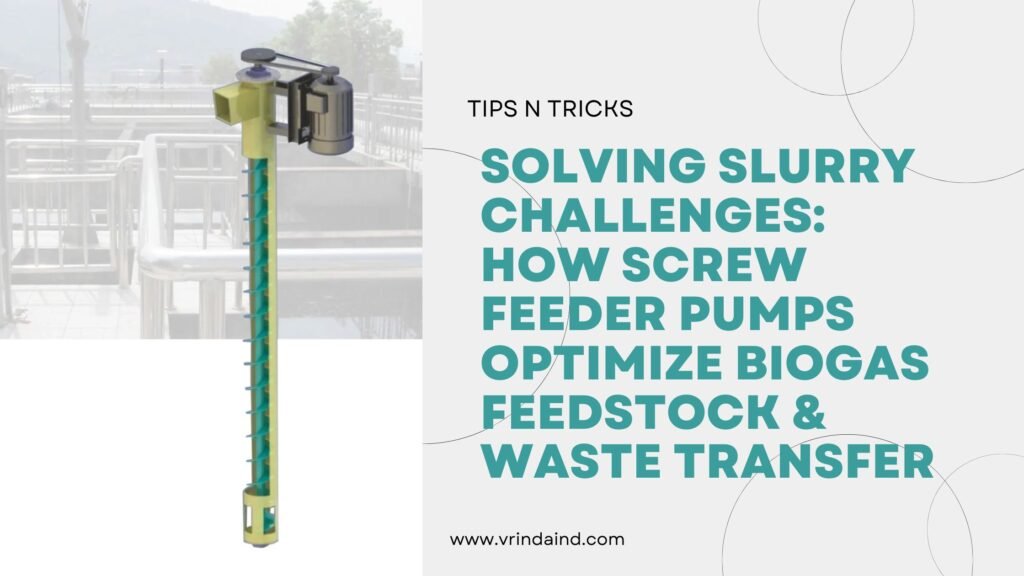
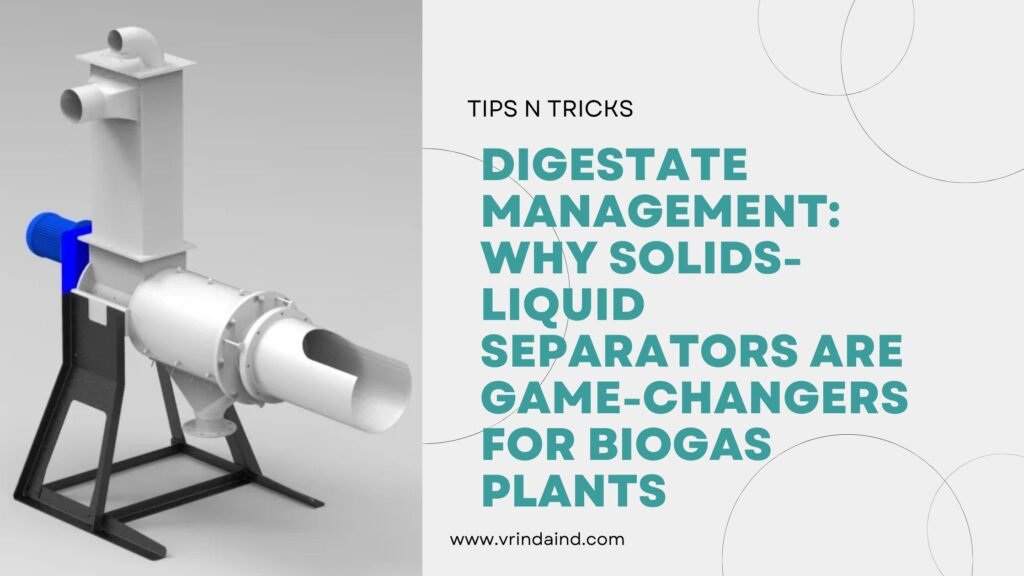
- Core Equipment (40-50%): This is where quality matters most. This includes your Submersible Agitators, Roto Screw Pumps, and Solids-Liquid Separators.
- Gas Handling & Safety (10-20%): This involves the gas holder, H2S Scrubbing systems, and safety valves.
Pro Tip: Choosing cheaper, non-industrial grade components might save 10% on CAPEX but can increase your maintenance costs by 50% within the first two years.
2. Operating Expenditure (OPEX): Running the Plant
Once the plant is commissioned, the ongoing costs include:
- Electricity: Power required to run high-flow mixers and pumps.
- Labor: Personnel for feeding the plant and monitoring the biology.
- Maintenance: Consumables like pump stators and agitator oil, as outlined in our Biogas Plant maintenance guide.
3. Factors Influencing the Total Cost
Several variables can shift the budget of your Gobar gas plant or industrial facility:
- Feedstock Type: Thick, high-solids food waste requires more powerful (and expensive) pumping and mixing than thin wastewater.
- Gas Utilization: Is the gas being burned in a boiler (Cheaper), used for electricity in a CHP (Moderate), or upgraded to Bio-CNG (Higher CAPEX)?
- Location: Global export factors, including shipping and local labor rates, play a role in the final tally.
4. Calculating Your ROI (Return on Investment)
A well-engineered plant from Vrinda Industries typically sees a payback period of 3 to 5 years. The revenue streams that drive this ROI include:
- Energy Savings: Replacing grid electricity or LPG/Diesel with self-generated biogas.
- Fertilizer Sales: Selling the separated digestate as high-grade organic fertilizer.
- Waste Disposal Fees: Avoiding “tipping fees” or fines for high-COD effluent discharge.
- Carbon Credits: Monetizing your reduced carbon footprint.
Cost vs. Quality: The Vrinda Industries Advantage
| Feature | Low-Cost “Local” Setup | Vrinda Industries Industrial Setup |
| Equipment Life | 2–4 Years | 10–15+ Years |
| Gas Yield | Low (Poor mixing) | Maximum (Optimized Agitation) |
| Safety | Minimal | Full Safety Integration |
| Maintenance | Frequent Breakdowns | Planned & Minimal |
Conclusion: Investing in a Sustainable Future
While the initial Biogas Plant Cost can seem significant, it is an investment in energy independence and environmental compliance. By choosing quality components, you ensure that your plant remains a profit center for decades to come.