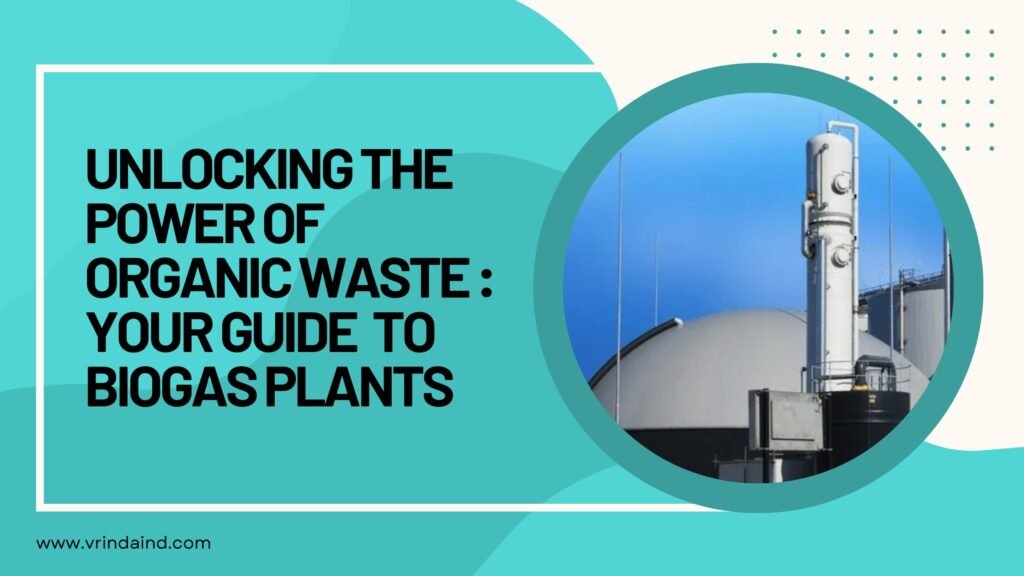
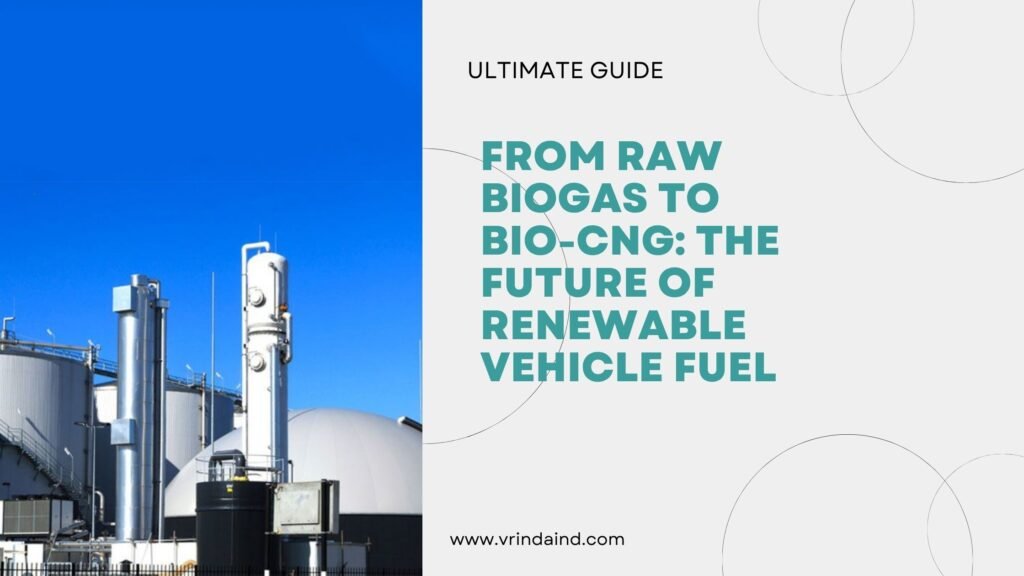
As the global demand for clean energy pivots toward decarbonizing transport, the role of the industrial biogas plant is evolving. While generating electricity is efficient, transforming raw biogas into Bio-CNG (Compressed Biogas) or
Biomethane offers significantly higher market value and versatility.
Producing Bio-CNG involves “upgrading” raw biogas (which typically contains 55–65% methane) to a high-purity gas containing over 95% methane—making it chemically identical to fossil-based natural gas.
Why Upgrade to Bio-CNG?
Upgrading your biogas is a strategic move for larger waste management projects.
The primary advantages include:
- Higher Energy Density: Compressed Bio-CNG is easily stored and transported, unlike raw biogas.
- Market Versatility: It can be used as a direct replacement for commercial CNG in trucks, buses, and industrial boilers.
- Grid Injection: In many regions, purified biomethane can be injected directly into existing natural gas grids.
- Premium ROI: Bio-CNG often commands a higher price per unit of energy compared to electricity, significantly boosting your economic benefits.
The Technical Path to Purity: Upgrading Technologies
To reach Bio-CNG standards, CO2, moisture, and trace gases must be removed. There are three industry-leading technologies for this:
1. Pressure Swing Adsorption (PSA)
PSA uses adsorbent materials (like activated carbon or zeolites) to “trap” CO2 and nitrogen at high pressure, letting methane pass through.
- Pros: Robust, well-established, and produces high-purity gas.
- Best For: Medium to large-scale plants.
2. Membrane Separation
Raw gas is forced through specialized hollow-fiber membranes. Methane molecules are larger and stay on one side, while CO2 and H2O permeate through the membrane.
- Pros: Compact, easy to scale, and requires no chemicals or water.
- Best For: High-efficiency plants looking for low operational complexity.
3. Water Scrubbing
Biogas is compressed and fed into a column where water flows downward. CO2 is more soluble in water than methane, so the water absorbs the CO2, leaving purified methane at the top.
- Pros: Simple technology; also removes some Hydrogen Sulfide (H2S).
Essential Pre-Treatment: The Foundation of Upgrading
You cannot upgrade gas if it is “dirty.” Before reaching the upgrading unit, the gas must undergo rigorous pre-treatment:
- Desulfurization: Using H2S Scrubbing to prevent corrosion of sensitive membranes or PSA media.
- Drying: Removing moisture to prevent hydrate formation during compression.
- Particulate Removal: Ensuring no dust or oil enters the purification stage.
The reliability of this pre-treatment often depends on the consistency of the
digestion and mixing process, ensuring a steady, predictable gas flow.
Closing the Loop: The Role of Digestate
A Bio-CNG facility remains a circular economy hub. While the gas is purified for fuel, the remaining nutrient-rich digestate is processed into high-grade organic fertilizer. This dual-revenue model—Fuel + Fertilizer—is why Bio-CNG is becoming the gold standard for large-scale dairy farms and industrial waste processors.
Conclusion: Leading the Bio-Fuel Revolution
At Vrinda Industries, we manufacture the core components—from
high-flow agitators to precision feeding pumps—that ensure your plant produces the high-quality gas required for Bio-CNG upgrading.
As the world shifts toward Compressed Biogas (CBG), having the right technical partner is the difference between a waste problem and a fuel solution.