For many manufacturing sectors—especially distilleries, sugar mills, and pulp and paper plants—wastewater management is a significant operational hurdle. Industrial effluent often contains extremely high levels of Chemical Oxygen Demand (COD) and Biochemical Oxygen Demand (BOD). Discharging this untreated waste is not only an environmental hazard but also a violation of strict pollution control board (PCB) norms.
However, where others see a disposal problem, Vrinda Industries sees a massive energy opportunity. Through advanced anaerobic digestion, these high-load organic effluents can be converted into a reliable source of green energy.
The Power of High-COD Effluent: Why Treat it Anaerobically?
Industrial wastewater from distilleries (often called “spent wash”) or food processing units is incredibly rich in organic matter. Traditional aerobic treatment (which requires air) is often too energy-intensive and expensive for such high loads.
Anaerobic Digestion (AD) offers a superior alternative because:
- Energy Positive: Instead of consuming massive amounts of electricity for aeration, the process generates renewable biogas.
- Sludge Reduction: Anaerobic systems produce significantly less waste sludge compared to aerobic systems.
- Methane Recovery: The recovered methane can be used in boilers or
upgraded to Bio-CNG to offset industrial fuel costs.
Critical Equipment for Industrial Effluent Reactors
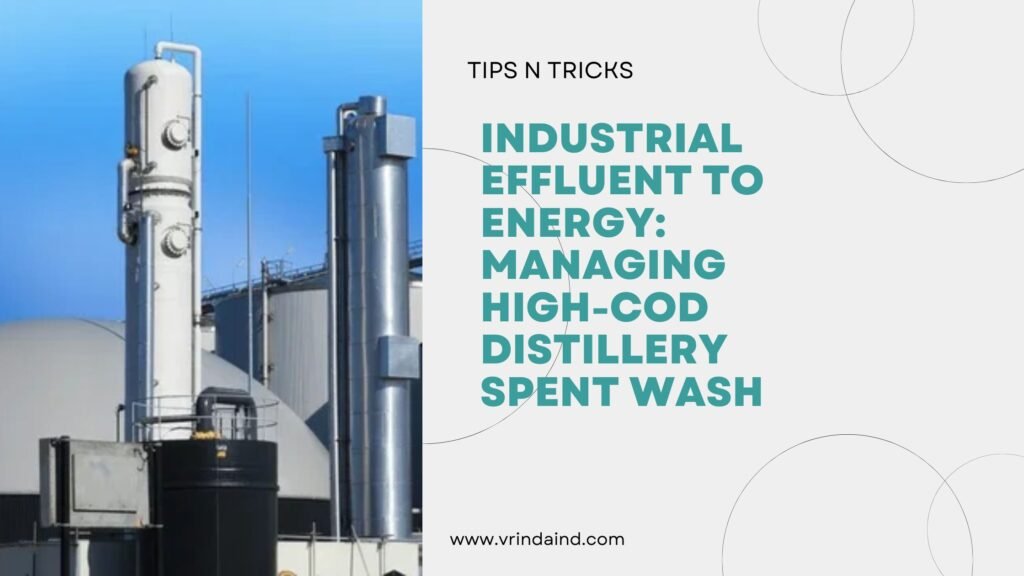
Industrial effluent treatment requires specialized reactor designs, such as Upflow Anaerobic Sludge Blanket (UASB) or Expanded Granular Sludge Bed (EGSB) reactors. These systems rely on precision engineering to function correctly:
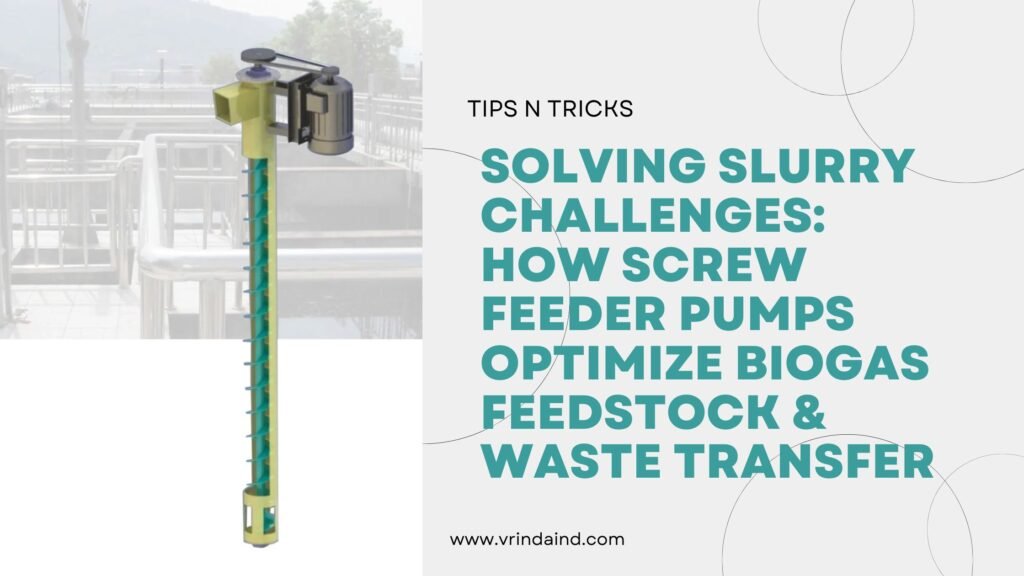
1. High-Precision Feeding
Industrial effluent flow must be consistent. Our Roto Screw Pumps and Screw Feeder Pumps are engineered to handle varying viscosities and particulates found in industrial spent wash, ensuring a steady organic loading rate (OLR) to the bacteria.
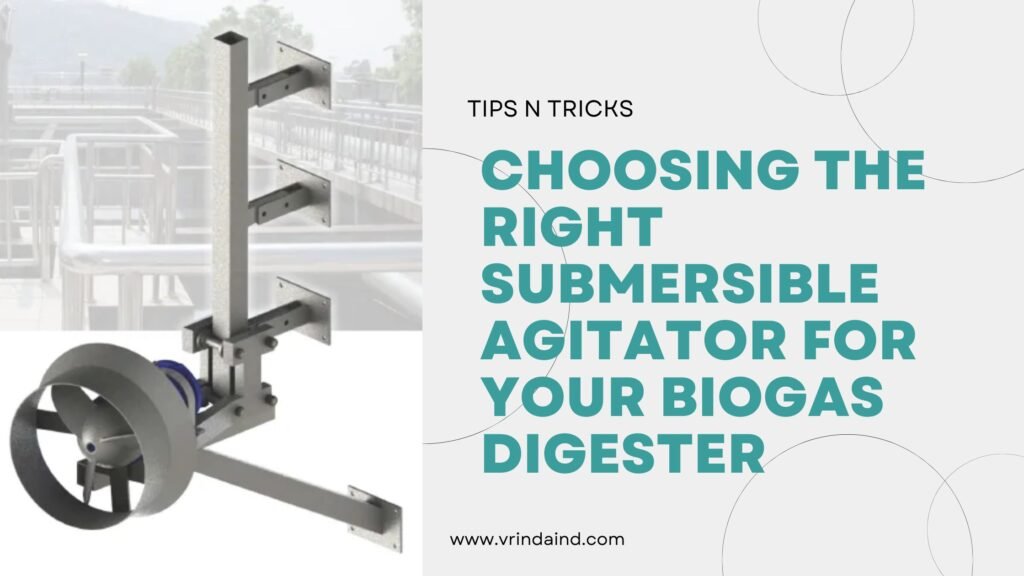
2. Specialized Internal Agitation
In high-COD reactors, preventing “short-circuiting” (where waste passes through without being treated) is critical. High Flow Agitators and custom-sized Submersible Mixers ensure that the incoming effluent is perfectly blended with the active anaerobic sludge blanket. This maximizes the contact time between the bacteria and the organic pollutants.
Comparing Treatment Efficiency
| Effluent Type | Typical COD (mg/L) | Biogas Potential | Recovery Method |
|---|---|---|---|
| Distillery Spent Wash | 80,000 – 120,000 | Very High | UASB / CSTR |
| Sugar Mill Effluent | 2,000 – 5,000 | Moderate | UASB |
| Pulp & Paper Mill | 5,000 – 15,000 | High | EGSB / UASB |
| Dairy Processing | 3,000 – 6,000 | Moderate | Anaerobic Lagoon |
Benefits of the "Effluent-to-Energy" Model
By integrating a biogas recovery system into your industrial wastewater plant, you achieve three key goals:
- Compliance: Easily meet discharge limits and reduce your carbon footprint.
- Cost Savings: The generated biogas can replace expensive furnace oil or coal in your industrial boilers, improving your economic ROI.
- Safety & Reliability: Implementing standard safety protocols
ensures that your methane recovery is as safe as it is profitable.
Conclusion: Transforming Industrial Liabilities into Assets
At Vrinda Industries, we specialize in the technical infrastructure required to turn high-COD industrial waste into a high-value energy stream. From the initial pumping stages to the final digestate separation, our equipment is designed to withstand the corrosive and demanding environments of industrial wastewater treatment.